Aligned types of movement for womens hormonal cycles
Discover the Best ways to Align your Energy, Activity and Nutrition for Hormone Balance
If you've ever felt frustrated by low energy on a high-intensity workout day, you're not alone. Your hormones fluctuate throughout the month, affecting your energy, strength, and stress tolerance. Instead of forcing yourself through workouts with a "no excuses" mindset, syncing your movement and nutrition with your cycle allows you to work with your body, not against it. This approach supports hormone balance, reduces stress, and optimizes performance.
I even created this Cycle-Syncing Guide to aligned productivity, self care and movement for each day of your cycle! It can help you align your period flow with your work and movement flows!
Why Cycle-Synced Movement and Nutrition Matter
Your hormones don’t operate on a steady 24-hour cycle like men’s do—they shift throughout your menstrual cycle, influencing how your body responds to exercise and nutrition. One of the biggest factors is cortisol, your primary stress hormone, which interacts with estrogen, progesterone, and metabolic function. When cortisol levels spike too high, especially in phases where your body is more sensitive to stress, it can lead to burnout, poor recovery, and disrupted hormonal balance.
Fun fact: your hormones do not care about your ‘no excuses’ workout mentality.
In fact, low-intensity movement can help flush excess cortisol from your system, reducing metabolic stress and improving recovery. But movement alone isn’t enough—nutrition plays a key role in supporting your body through each phase of your cycle. Here’s how to align both for better energy, strength, and resilience.
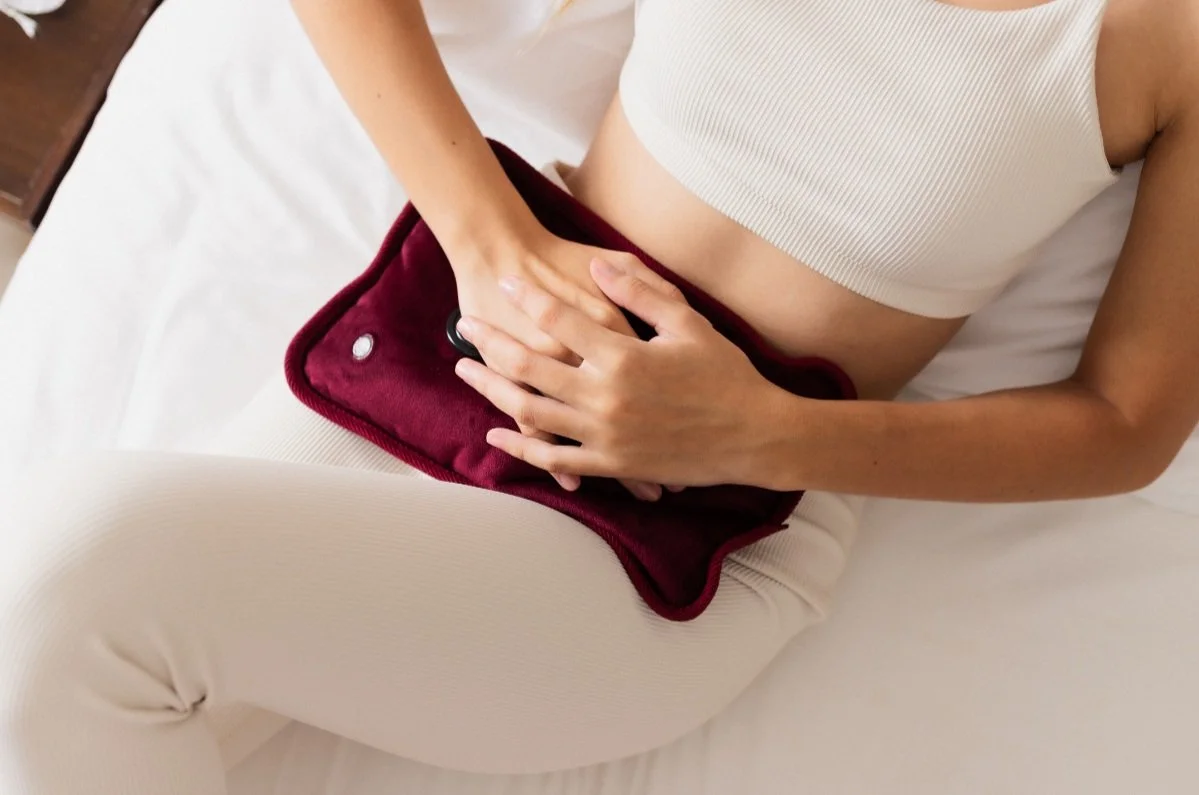
Menstrual Phase (Days 1-5ish): Prioritize Gentle Movement & Nourishing Foods
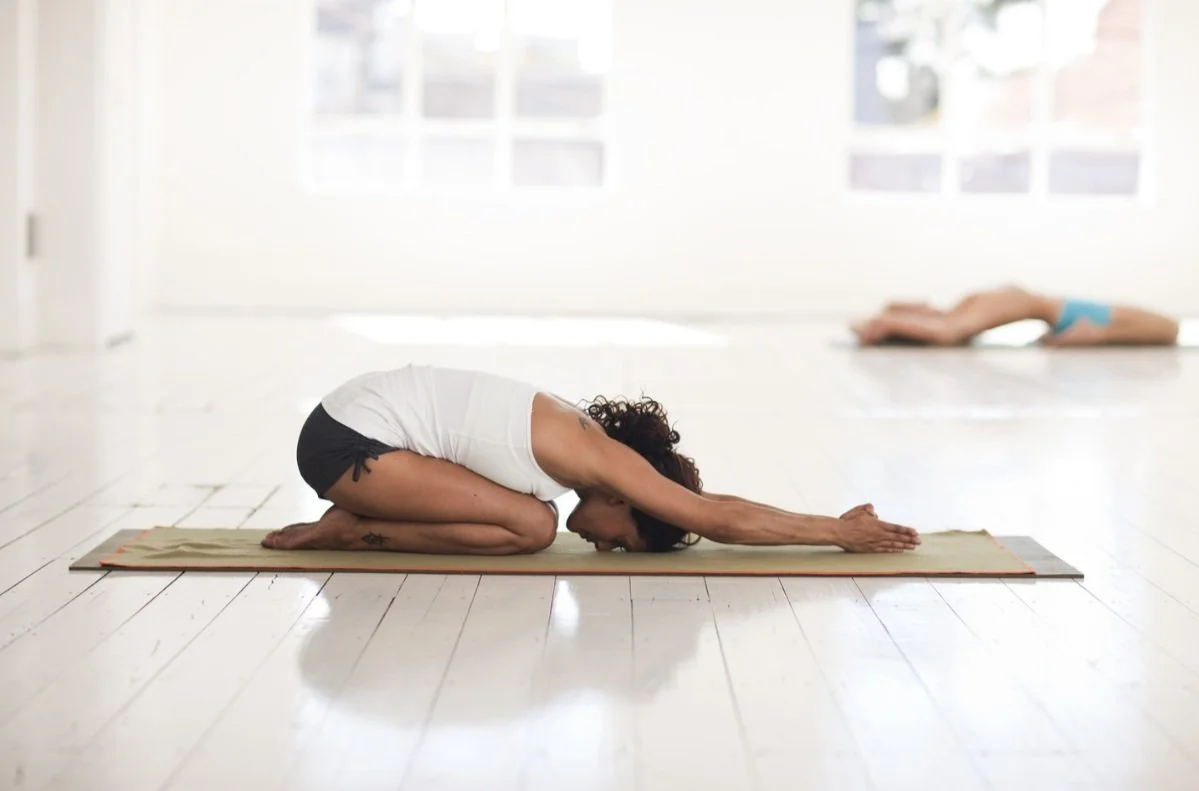
During your period, your cortisol sensitivity is high, meaning high-intensity exercise can feel extra draining. Estrogen and progesterone are at their lowest, which can leave you feeling fatigued. This is the time for restorative movement: walking, gentle yoga, and light stretching. If your body says “nope” to movement, honor that. Rest is productive, too!
Best Foods: Focus on iron-rich foods like grass-fed beef, lentils, and dark leafy greens to replenish iron stores lost through menstruation. Anti-inflammatory foods like turmeric, ginger, and wild salmon can help ease cramps and discomfort.
Follicular Phase (Days 6-14ish): Build Strength & Fuel Energy
As estrogen begins to rise, so does your energy and your ability to handle moderate stress. Cortisol is more stable, making this a great time for strength training, Pilates, and moderate-intensity cardio. Your body is primed for progress, so use this phase to build strength and endurance without pushing to exhaustion.
Best Foods: Complex carbs like quinoa, sweet potatoes, and oats provide steady energy. Lean proteins (chicken, eggs, tofu) support muscle growth, while fermented foods (kimchi, yogurt, sauerkraut) help balance gut health, which is closely linked to hormone regulation.
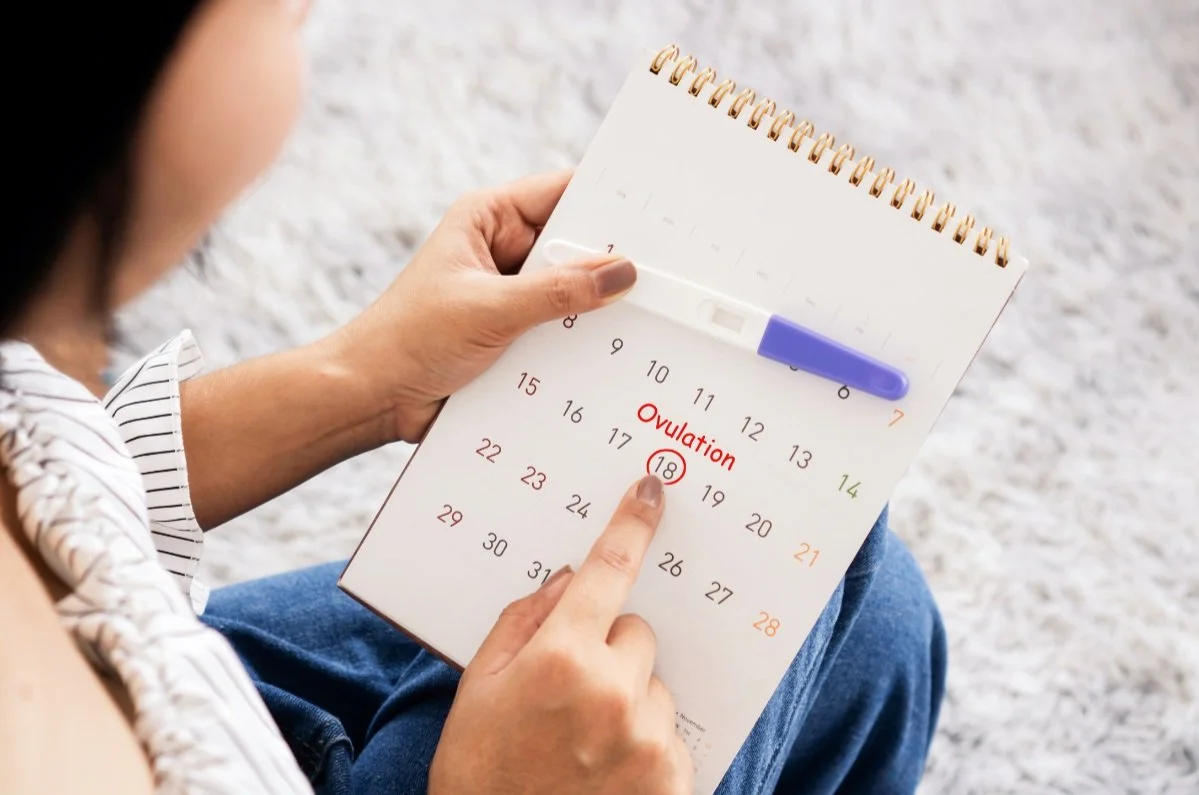
Ovulation Phase (Days 15-17ish): Maximize Energy—Within Reason
This is your peak energy window! Estrogen levels are at their highest, and your body can handle more cortisol, making it an ideal time for lifting heavy, HIIT (within reason), and higher-intensity movement. Just be mindful not to overdo it—excessive intensity can still lead to burnout, even when you feel strong.
Best Foods: Omega-3-rich foods (salmon, walnuts, flaxseeds) support brain function and reduce inflammation. Magnesium-rich foods (dark chocolate, spinach, pumpkin seeds) help regulate muscle contractions and prevent cramps. Hydration is key—electrolytes from coconut water or mineral-rich salt can help with fluid balance.
Luteal Phase (Days 18-28ish): Time to Downshift & Support Progesterone
As progesterone rises, your cortisol tolerance decreases, meaning high-intensity workouts may feel more draining. This is a time to shift toward lower-intensity strength training, slow-flow yoga, and walking. Focus on movement that grounds you instead of stressing your system. This phase is also when cravings and fatigue might kick in—listening to your body and adjusting accordingly will help maintain balance.
Best Foods: B vitamins from whole grains, eggs, and leafy greens support progesterone production and energy metabolism. Magnesium-rich foods help reduce bloating and cramping, while healthy fats from avocado, nuts, and olive oil stabilize blood sugar and keep cravings in check.
What If Your Cycle Is Longer Than 28 Days?
If your cycle is longer than 28 days, your follicular or luteal phase is likely extended. If your follicular phase is longer, you can continue with strength training and moderate-intensity workouts until ovulation. If your luteal phase is extended, focus on recovery-based movement like walking and mobility work to keep stress levels in check. The key is to listen to your body—your cycle is unique, and your movement and nutrition should reflect that.
The Bottom Line
Your workouts and nutrition should support your hormones, energy levels, and stress resilience, not work against them. If you’ve ever felt "lazy" for needing gentler movement or craving certain foods, it’s time to reframe that thinking. Adjusting your workouts and nutrition based on your cycle isn’t about doing less—it’s about training smarter, fueling better, recovering efficiently, and feeling stronger in the long run.
Listen to your body, train with intention, and let your hormones work for you, not against you!
Grab the FREE RESOURCE I created: A Cycle-Syncing Guide to aligned productivity, self care and movement for each day of your cycle! It will help you align your period flow with your work and movement flows! Make a copy in Google Sheets and get to tracking!